|
My photos and graphics on this site are protected by and can be tracked. All content subject to copyright. All rights reserved. Contact me here. |
|
JERSEY'S LANDSCAPE AND WILDLIFE Woodland, Wetland, Sand Dunes and Scrub, Seashore, Rocky Headlands, Heathland |
|
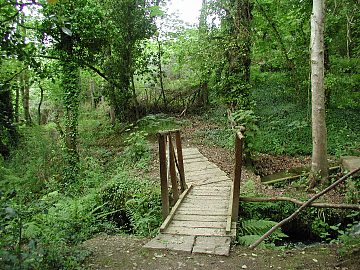
Woodland Many of the valleys that cut through the island have areas of mainly deciduous woodland, and although they are comparatively small in size, they support a variety of wildlife. Unlike mainland UK, we do not have any grey squirrel here and so our population of the smaller, red squirrel is an important breeding group of this increasingly rare creature. |
|
|
A network of nature trails provide the opportunity to get well away from it all for peaceful walks through the tranquillity of green, leafy valleys. Other animals to look out for are the woodpecker, short-toed treecreeper and woodmouse. |
|
|
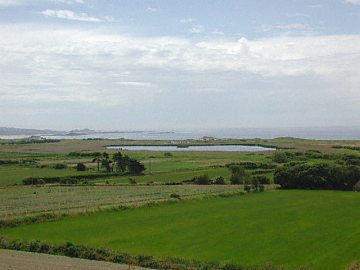
Wetland, Sand Dunes and Scrub In the west of the island is an important conservation area known as Les Mielles, the headquarters for which is the Frances Le Sueur Visitor Centre. The largest area of fresh water in the island is known as St Ouens Pond and it provides a nesting ground for several species of bird, including the Reed and Cetti's Warblers. |
|
The whole of this bay, which spans practically the entire depth of the island, is backed by sand-dunes and scrubland, and is home to many plant species more typical of the southern Mediterranean regions. Seventeen Red Data Book species of plants have been recorded, including Sand Crocus, Dwarf Pansy, Lizard Orchid and Purple Viper's Bugloss. The Kempt Tower Visitor Centre, situated in the bay and close to the sea wall, is an excellent place to visit to obtain advice and information on our local wildlife. |
|
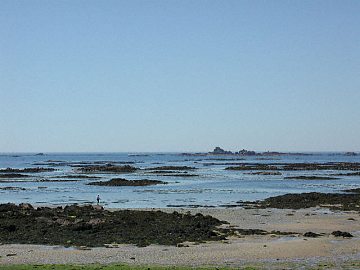
Seashore Jersey has one of the largest tidal flows anywhere in the world and the huge difference between high and low water is no more noticeable than along the island's south and east coast. At low water, huge platforms of rough rock are exposed, cut through by hundreds of gullies. This area supports a huge amount of marine life and attracts large numbers of seabirds. |
|
|
A word of warning: It's very tempting to explore the rock pools and gullies at low water but it is essential to keep an eye on the tide. Every year visitors are left stranded on the rocks by the sudden incoming tide. |
|
Rocky Headlands |
|
|
|
|
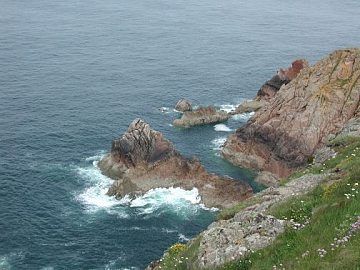
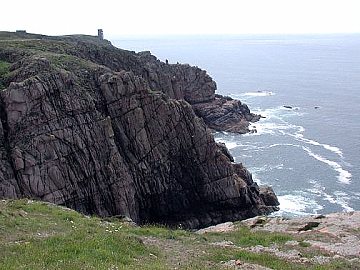
Spectacular granite cliffs rise out of the water all along the island's north coast to a height of just over 400 feet. During the summer months, small numbers of Puffins, Razorbills and Fulmar Petrels nest along this coastline. The many cliff paths that trace their way along this part of the island provide not only breathtaking views of this beautiful area, but also excellent vantage points for views across to France and the neighbouring Channel Islands of Guernsey, Alderney and Sark. |
|
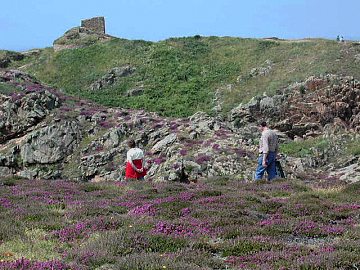
Heathland Our largest area of heathland, covering 247 acres, is in the north west of the island at Les Landes. This wild and beautiful area often feels the full force of Atlantic gales and these maritime conditions support a wide variety of plants and animals. This is home to over 200 species of plants, together with several species of butterflies and dragonflies, the unique Jersey bank vole, the green lizard and the elusive Dartford warbler. |
|
|
|
|
|
Photos are subject to copyright. All rights reserved. Contact me here |